Chief officer jobs look good on paper. Senior officer title, clear stepping stone to command, salary that sits noticeably above everyone else in the deck department except the master. What the job description tends to understate is that it is operationally the most demanding position on a cargo vessel. The master has authority and accountability. The chief officer has authority, accountability and the actual work.
**What the Chief Officer Actually Does**
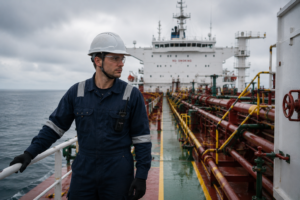
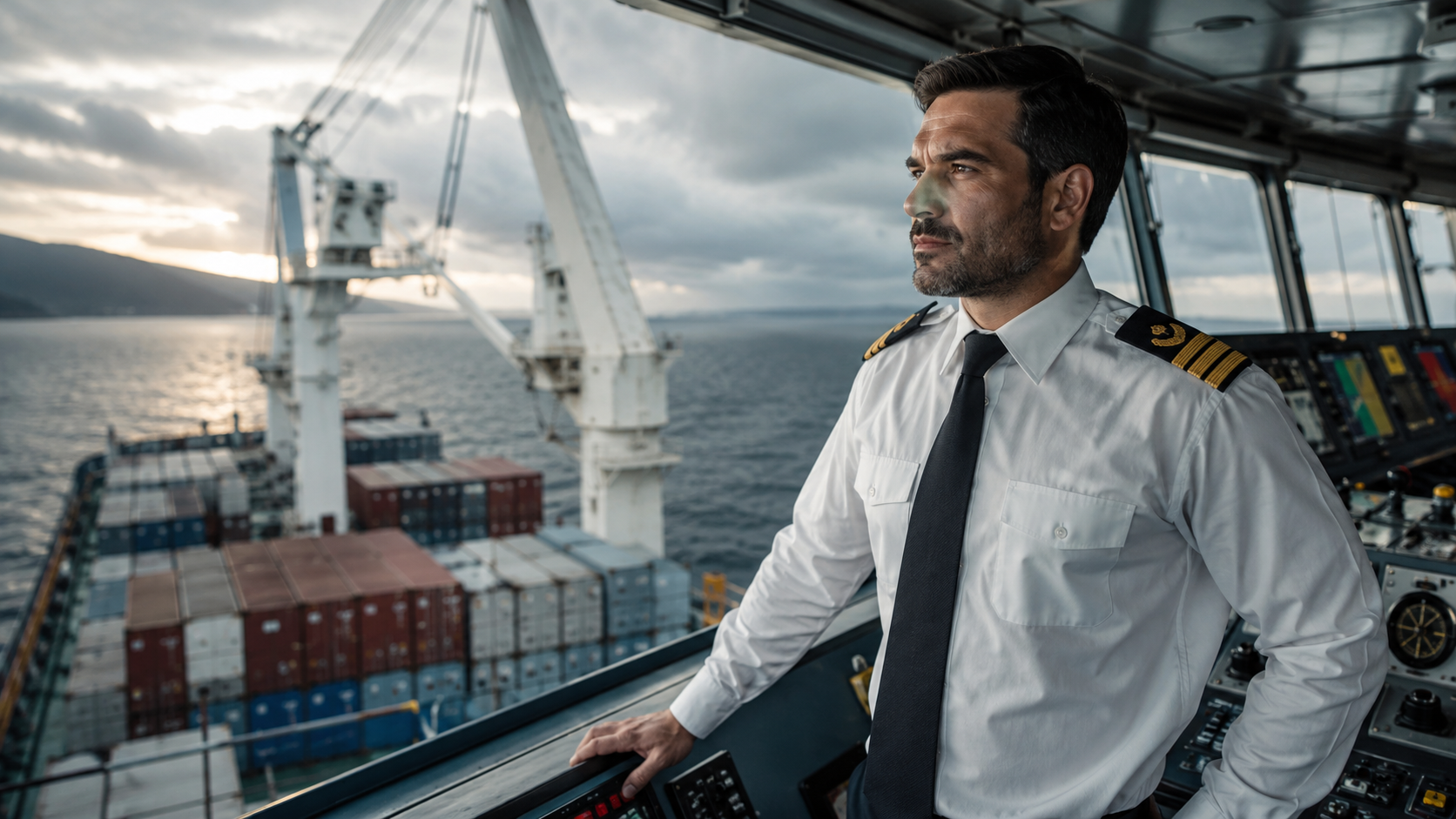
Cargo operations sit at the centre. On a product tanker the chief officer plans the load and discharge, manages the cargo calculations, oversees the pump operations, monitors the trim and stability throughout, and carries legal responsibility for the safe conduct of every cargo movement. On a container ship they manage the stowage plan, lashing requirements and stability calculations for several thousand container moves per port call. On a bulk carrier they supervise hold preparation, draft surveys and hatch cover operations. The cargo work varies completely by vessel type. The responsibility level does not.
Crew management is the other half of the role. The bosun reports to the chief officer. So does every other deck rating. Organising work schedules, managing performance issues, conducting safety training, running drills, maintaining the SMS records and handling the interpersonal friction that develops in any closed environment over a four-month contract. Officers who are comfortable with the navigation side but resistant to the people management side struggle with chief officer duties in a specific way.
SMS documentation is the part junior officers rarely see until they get there. Safety Management System records, maintenance logs, near-miss reports, risk assessments, PSC preparation. The chief officer’s records are what PSC inspectors look at when they board. The chief officer whose paperwork is current and accurate makes PSC inspections straightforward. The one whose records are incomplete makes them expensive.
**Pay**
Bulk carrier: $6,500 to $10,000 per month. Container ship: $7,500 to $11,500. Product tanker: $8,000 to $12,500. Chemical tanker: $9,000 to $14,000. LNG carrier: $12,000 to $18,000. North Sea offshore chief officer: $9,000 to $14,000 on 28/28 rotation.
The LNG figure is the one that gets people’s attention. It represents roughly three times what a chief officer earns on a standard dry cargo vessel. The certificate pathway to get there runs through tankers, which is itself a step up from the dry cargo rates. The career decisions made at second officer and third officer level shape which of these numbers eventually applies.
**The Path From Here**
The progression to master requires a management-level deck certificate and documented sea service as chief officer. Most flag states specify twelve months as the minimum. Oral examinations for master’s certificate assess candidates on scenarios that require genuine chief officer experience to answer convincingly. The examiners know the difference between an officer who has managed a complex cargo operation and one who has read about it.
The chief officer who treats the role as a waiting room for command rather than as an education in everything command requires is making a mistake that the master’s oral examination tends to identify.