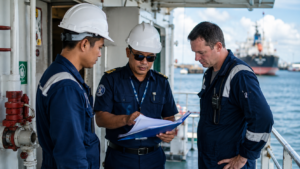
There is a consistent observation across the maritime industry that the second engineer works harder than any other person in the engine department. The chief engineer carries final authority and accountability. The junior engineers carry specific watch and maintenance duties. The second engineer carries the operational management of the entire machinery system plus the administrative workload that holding it all together requires. The pay reflects this, imperfectly.
**What the Second Engineer Actually Does**
Planned maintenance management is the central function. The second engineer runs the vessel’s planned maintenance system, assigning tasks, tracking completion, ordering parts, managing the inventory and coordinating with the chief engineer and the shore-based technical superintendent on anything requiring outside input. On a vessel with twenty major machinery systems and hundreds of sub-components, this is a substantial organisational task.
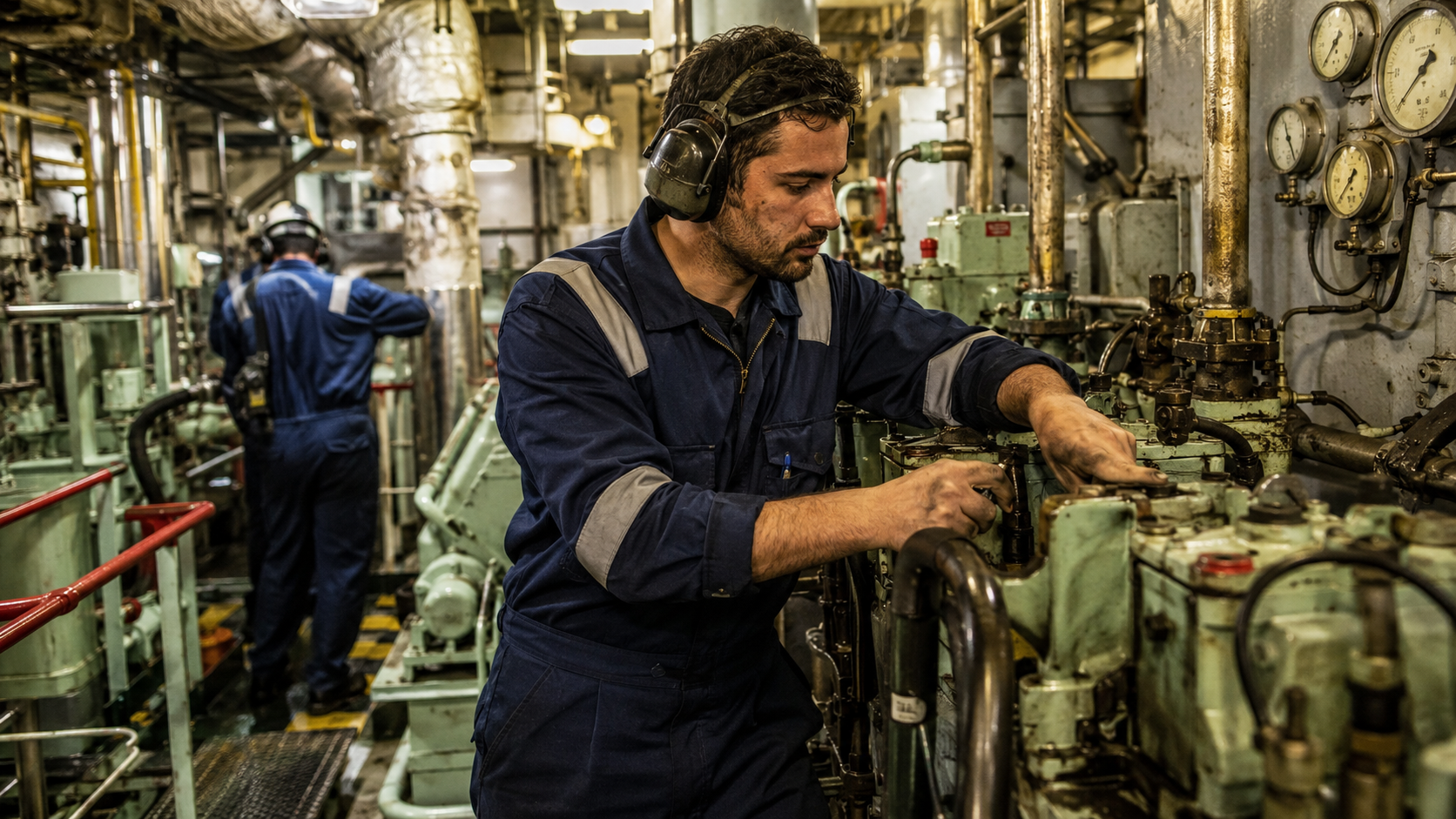
Direct maintenance work is equally part of the role. The second engineer is not purely administrative. They get into the machinery. Main engine component work, auxiliary engine overhauls, pump refurbishments. The technical depth required is why the second engineer’s Certificate of Competency is so demanding to obtain.
Stores and spares management matters more to the operation than most people outside the engine department appreciate. Running out of a critical spare part at sea creates a problem that ranges from inconvenient to dangerous depending on the system involved. The second engineer who manages the inventory proactively and orders ahead of need avoids these situations. The one who manages reactively creates them.
Junior officer supervision. The second engineer manages the daily programme of the third and fourth engineers. Setting the work schedule, reviewing their technical understanding, ensuring their maintenance quality meets the standard. This supervisory dimension is the part that catches some technically strong engineers off guard when they first reach second engineer rank.
**Pay**
Bulk carrier or general cargo: $6,000 to $9,500 per month. Product tanker: $7,500 to $12,000. Chemical tanker: $8,500 to $13,500. LNG carrier: $8,500 to $14,000. Offshore supply vessel: $8,000 to $13,000 on rotation.
The tanker and gas tanker premium applies to the second engineer as it does to deck officers. The certificate requirements specific to those vessel types reduce the supply of qualified second engineers, which maintains the pay premium despite the same underlying skills being present in the dry cargo engineer pool.
**Getting the Certificate**
The Second Engineer CoC requires documented sea service as a watchkeeping engineer officer and the flag state examination at management level. The examination tests thermodynamics, electrical theory, marine diesel engine construction and operation, auxiliary systems, stability and the regulatory framework at a level that requires both academic preparation and genuine operational experience to answer convincingly.
Officers who sit the oral examination without active technical practice in the preceding months consistently find it harder than those who have stayed current. The period of leave before the examination is the wrong time to start reviewing technical knowledge from scratch. Engineers who prepare seriously during their final sea contracts before sitting have better outcomes.
**The Shore Career**
Technical superintendent is the standard destination for experienced second engineers who move ashore. The work requires exactly the machinery knowledge and maintenance management skills that the second engineer role develops. Senior technical superintendents in European ship management companies earn €80,000 to €130,000 annually. The sea career that leads there is a legitimate investment.